
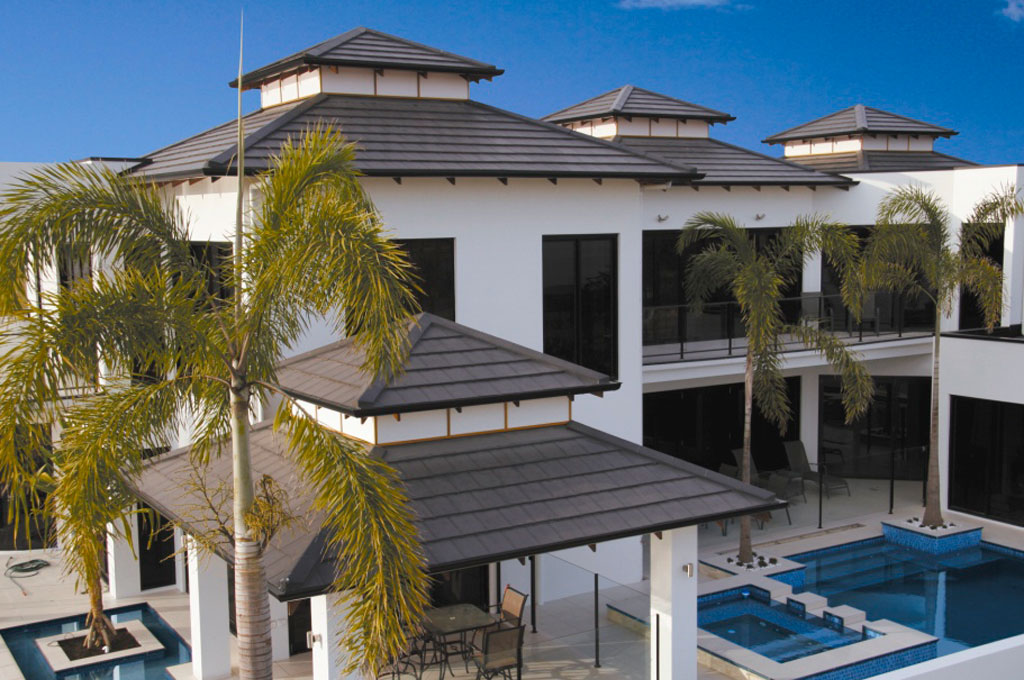
Debunking Popular Myths about Concrete Roof Tiles
25 March 2022Roofing systems must be present on home properties as they can protect their spaces from intense heat, heavy rainfall, and strong winds. Roofing systems can also help them regulate temperatures, which can minimise their energy use by a large percentage.
The benefits of roofing systems, however, can only be achieved by using the right materials. To date, many materials can already be utilised in producing roofing systems. But only a few of them qualify to be effective and valuable for homeowners. One material that can provide solid advantages to various properties is concrete.
For centuries, concrete roof tiles have been popular among homeowners due to their appeal, value, and other qualities. However, this roofing option has been marred with myths that have deterred many from using it. Here are some myths about concrete roof tiles and the reasons why they are not true.
Algae and Mould Can Destroy Concrete
One misconception about concrete roof tiles is they can be destroyed by algae, mould, and mildew. These elements can grow and spread on surfaces with favourable conditions for their development. And since concrete roof tiles are exposed to moisture and sunlight, these elements can most likely grow, spread, and affect the appearance of the roofs. These elements, however, cannot infiltrate and destroy the integrity of the roof tiles. They can also be removed and treated easily.
Weather Elements Can Affect Concrete
Roofing systems will be exposed to weather elements as they are placed on top of a property. And so, the materials used for these systems must be able to withstand weather elements. A misconception about concrete roof tiles is they cannot resist weather elements like sunlight, rain, and wind. Many people even believed that concrete roof tiles can be destroyed by fire. Contrary to these beliefs, concrete roof tiles can withstand weather elements for a very long time.
Energy is Wasted with Concrete Roofing
Another misconception about concrete roof tiles has to deal with their energy use and heat retention. Many believe that concrete roofing tiles cannot provide energy savings as they flawlessly let in heat from outdoors. This information is not true since concrete roof tiles have inherent reflective qualities that make them cool despite being exposed to heat for a long time. Instead of absorbing heat, concrete roof tiles reflect sunlight and release heat they have obtained outdoors.
A Lot of Money is Needed for Concrete
One more myth about concrete roof tiles is they are expensive. When accounting for the overall costs of concrete roof tiles, they are more affordable compared to other roofing options. Concrete roof tiles may cost higher than others when first purchased. But since they do not require regular maintenance and replacement, the costs needed for their upkeep will be minimised. In the long run, homeowners can expect significant savings with concrete roof tiles in terms of maintenance and even energy use.
To obtain concrete roof tiles for your property, you can call us at Higgins Roofing.
Recent Posts
-
 Tile Roof Installation in Melbourne: Done Right by Roofing Professionals
 -
 How Tile Roofs Perform in Melbourne’s Cooler Weather
 -
 The Essential Autumn Roof Inspection Guide for Melbourne Homeowners in 2026
 -
 2026 Roofing Trends: Colours & Tile Profiles Gaining Popularity in Melbourne Homes
 -
 How Tile Roofing Keeps Your Melbourne Home Cooler During Extreme Summer Heat
 -
 Bushfire-Ready Monier Tiles: The 2026 Roofing Solution for High-Risk Areas
 -
 Monier SOLARtile vs Bolt-On Panels: Integrated Solar Roofing for Melbourne Homes
 -
 Monier C-LOC™ Concrete Roof Tiles: Superior Gloss Retention, Durability & Long-Lasting Performance
 -
 Terracotta Tile Roof Restoration: 7 Signs Your Roof Needs Urgent Attention
 -
 Residential Roof Tile Installation: Preparing Your Home & Site for Installation Day